Roger J. Wendell
Defending 3.8 Billion Years of Organic EvolutionSM


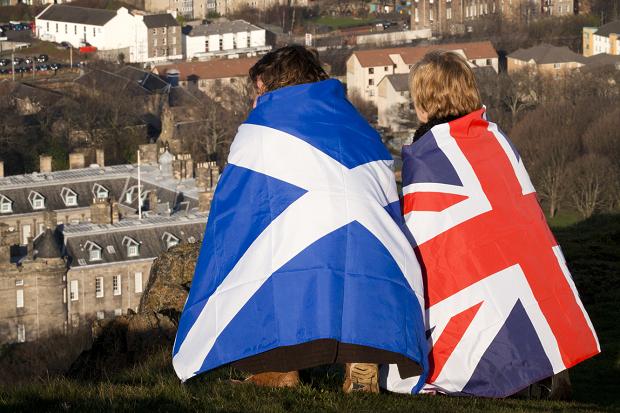
(Click on either flag
for a map ot the U.K.)
(Click Here for the UK flag)
- Wales & Scotland In October, 2006 we drove 1,719 miles (2,766 kilometres) throughout the U.K. Our route, as is typical of us, was unplanned and unscheduled - resulting in maximum spontaneity and enjoyment! Along the way we got a really close-up look at Wales, Scotland, England and everything in between - including the beautiful Scottish Lochs (Lakes), the lovely Welsh countryside, and a bit of "Beatlemania" at Liverpool and Abbey Road in England. As has been our experience around most of the world, the people of Great Britain treated the two of us with courtesy and kindness everywhere we went - we hope to return someday soon!
 |
Click Here for my pictures from England |
|
|
Click Here for our overnighter to Dublin... |
|
|
Click Here for my trips to France... |
Brexit

On Thursday, June 23, 2016 the people of the United Kingdom voted to leave the European Union!
Cymru (Wales)
Eire and the United KingdomWe drove the width of Wales and found our small sample of their country a beautiful delight! Of course, Holyhead provided us access to Ireland and our final departure through Colwyn eventually took us up to Liverpool (the Beatles!) and then on into Scotland. Coincidently, Wales' largest city, Cardiff (Caerdydd), was declared the capital the very same year of my birth (1955). Wales is 20,779 km² (8,023 square miles), or slightly larger than Massachusetts. At the time of our visit the total population of Wales was just under 3 million, or about the same as Iowa or Mississippi at that time.
Wales is the largest principality in the world with His Royal Hignhess, Prince Charles, exercising limitted authority at the time of our travels in 2006. In 1996 Wales was divided into 22 council areas which are local aluthorities responsible for government services that include education, social work, environmental and road projects.
It is believed that Wales was first inhabited by modern humans 29,000 years ago. Its written history began with the Romans, about 2,000 years ago, when Wales became part of "Brittania" - remaining under Roman rule until around the year 400.
 Llangollen, Wales |
 Llangollen parking |
 "Derestriction" speed limit sign |
 Menai Strait bridges |
 Menai Strait bridges |
 Menai Strait bridges |
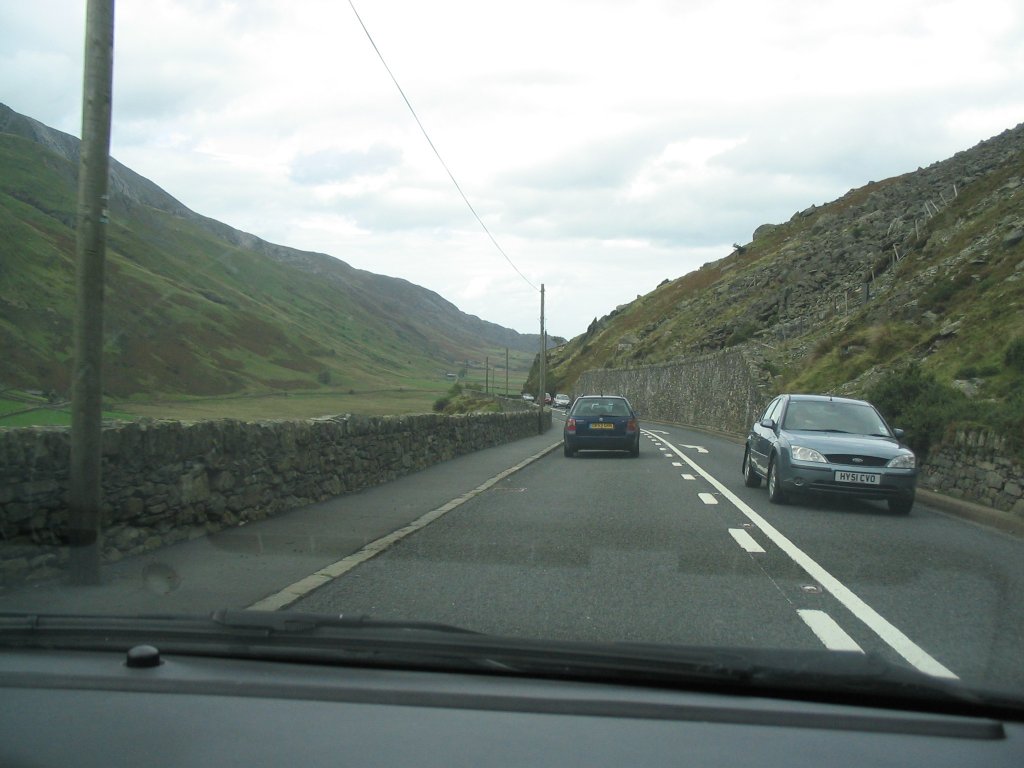 Road A5 |
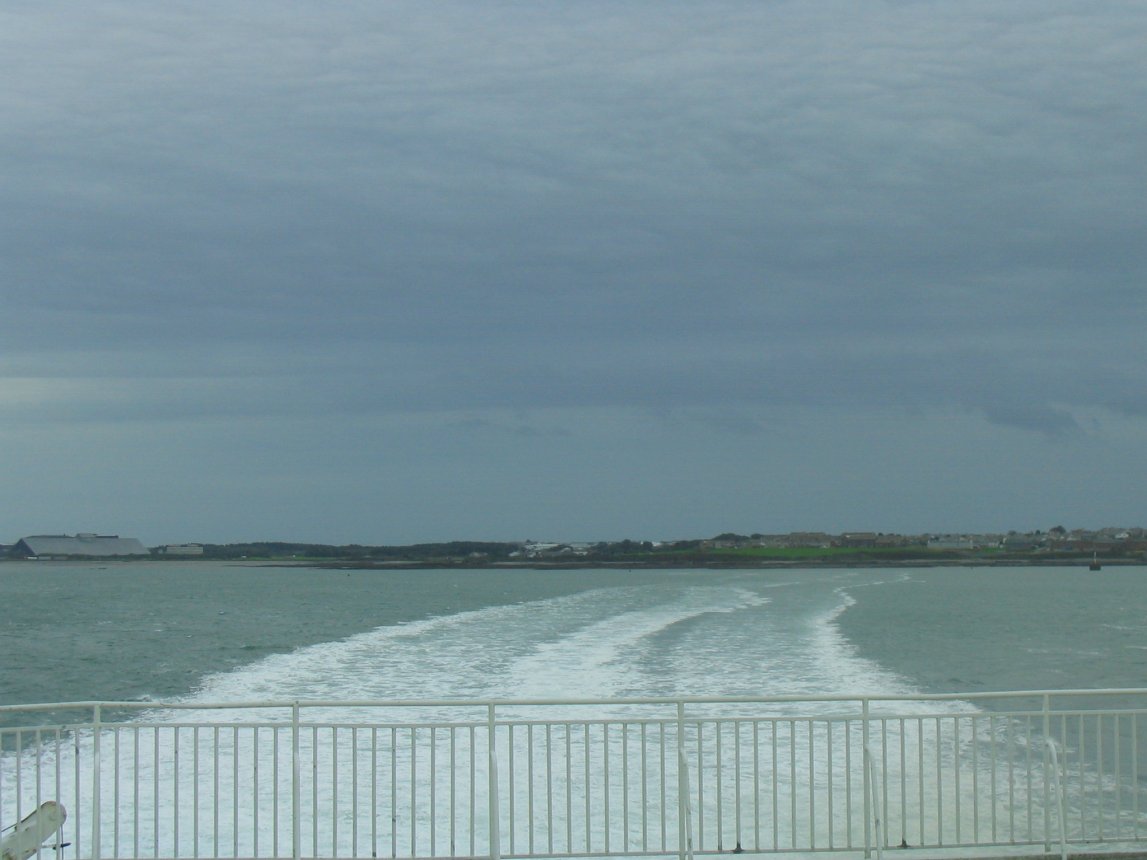 Departing Holyhead, Wales |
 Henoed |
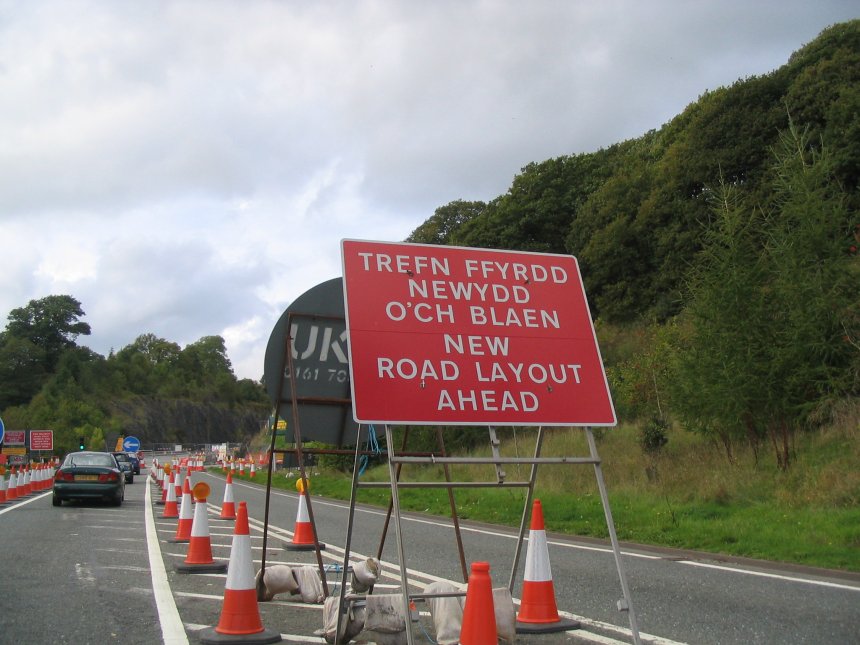 Trefn Ffyrdd Newydd O'ch Blaen |
Alba (Scotland)
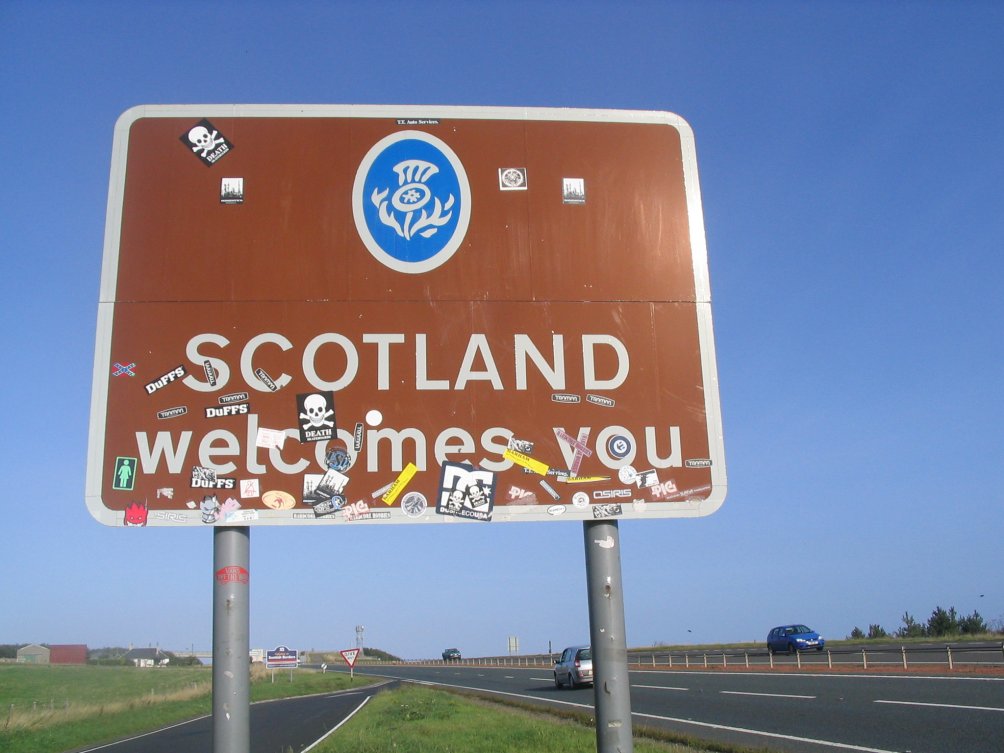
Eire and the United KingdomScotland was interesting on so many levels for us. Being from Colorado, we thoroughly enjoyed the more open spaces and natural Loch environments north of Edinburgh and Glasgow. Not to burden readers with too much controversy, but it was interesting to note that the Scots complained to us, a couple of times, that folks down south in England didn't always want to accept the Scottish Pound even though it's the legal equivalent of the English Pound. Also, some Scots advised us that they would like to have all of of Berwickshire back (located on the southeast coast) - an ancient county that has since been carved up into four districts of the "scottish Borders" region with a portion of the land left on the English side in the area of the River Tweed.
In the year 1707 the Scottish and English Parliments signed the Acts of Union, effectively disolving both Parliments and transferring power to the new Parliment of Great Britain in London. However, there have been numerous groups, political parties, and individuals advocating Scottish independence - even at the time I was visiting. Nevertheless, the country appeared relatively unified, at the time of our visit, with the Scottish/English border being eassier to cross than most American States (actually, about the only hinderance crossing American states are border patrol and commercial commerce checks - neither evident on our drive around Great Britain...).
Scotland is is 78,772 km² (30,414 square miles), or just a "hair" smaller than our own state of Maine. Scotland's population, at the time of our visit, was over 5,100,000 - about a quarter million more people than our home state of Colorado.
Scotland Referendum
September 18, 2014

In an historic vote, Scots rejected independence with an unprecedented voter turnout of almost 85 percent. 55.3 Percent of Scots were against independence to the 44.7 percent in favor of it. This once-in-a-generation decision prevented a rupture of a 307-year union with England, Wales and Northern Ireland.
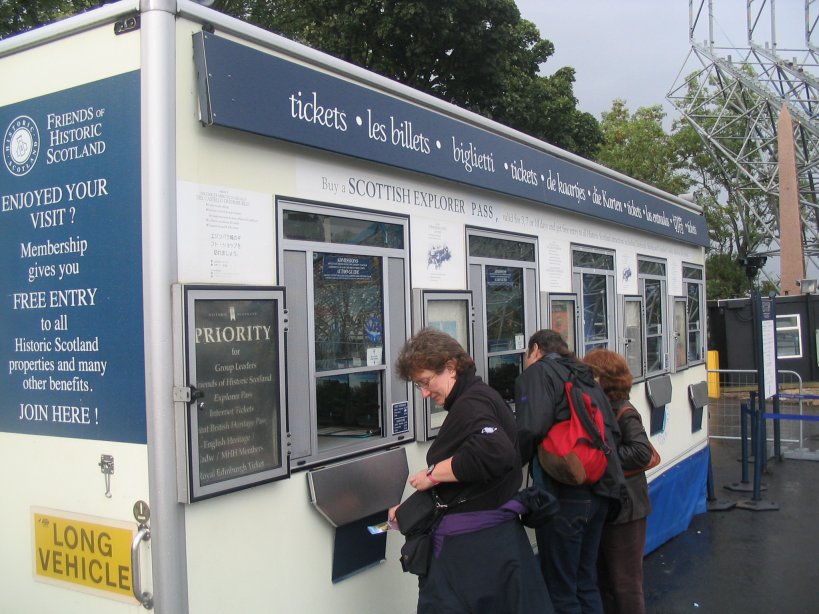
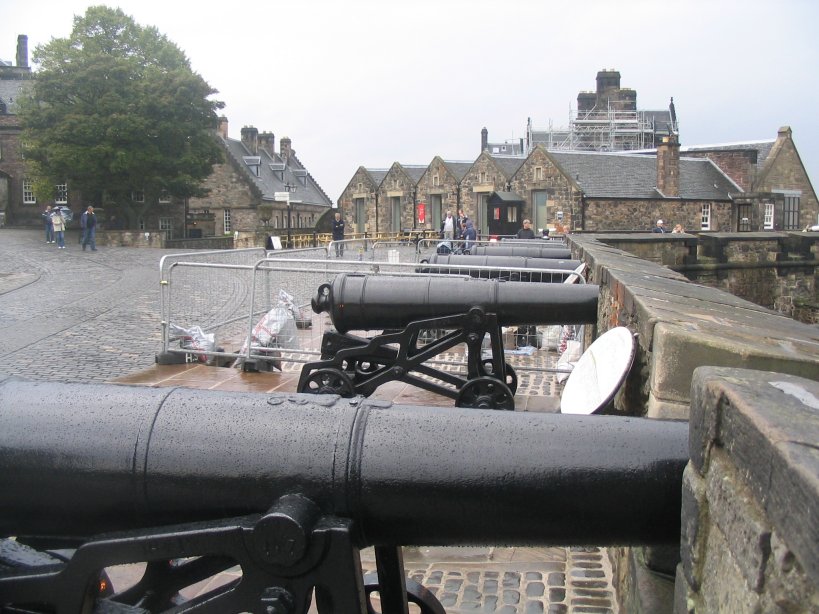
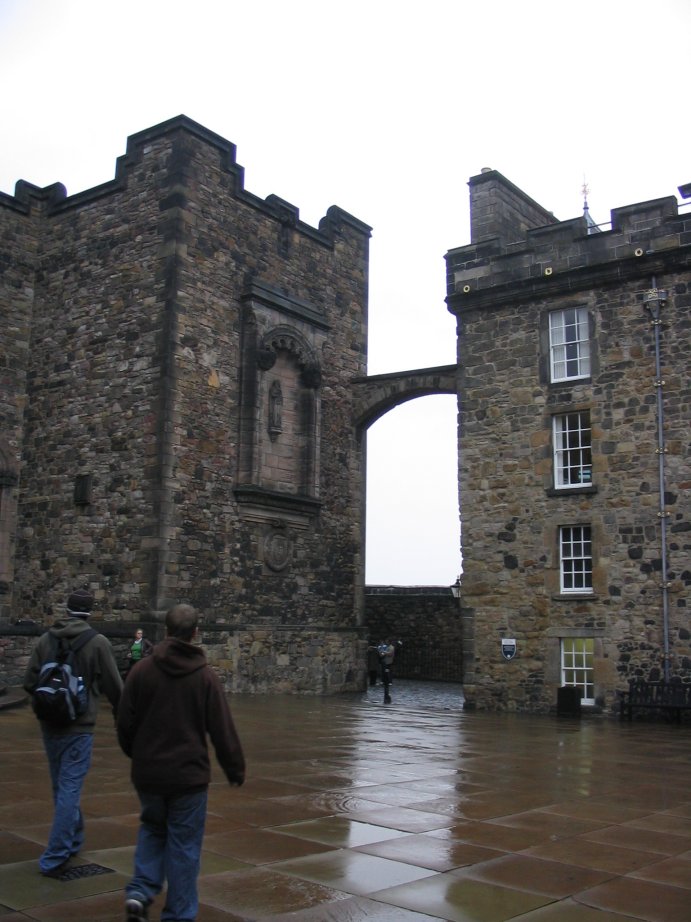
Edinburgh Castle:
According to their official website, there's a thousand
years of history on Edinburgh Rock with a million visitors per year through the castle! While we were
there they began preparations for the filiming of the movie Death Defying Acts. Because
of the production the castle's famous lighting was kept off at night while we were there. As a result, we
believe it had a more authentic look - that's probably what they wanted for the movie!

|

|
|

|
|

|

|

|

|

|
|
Hiking:
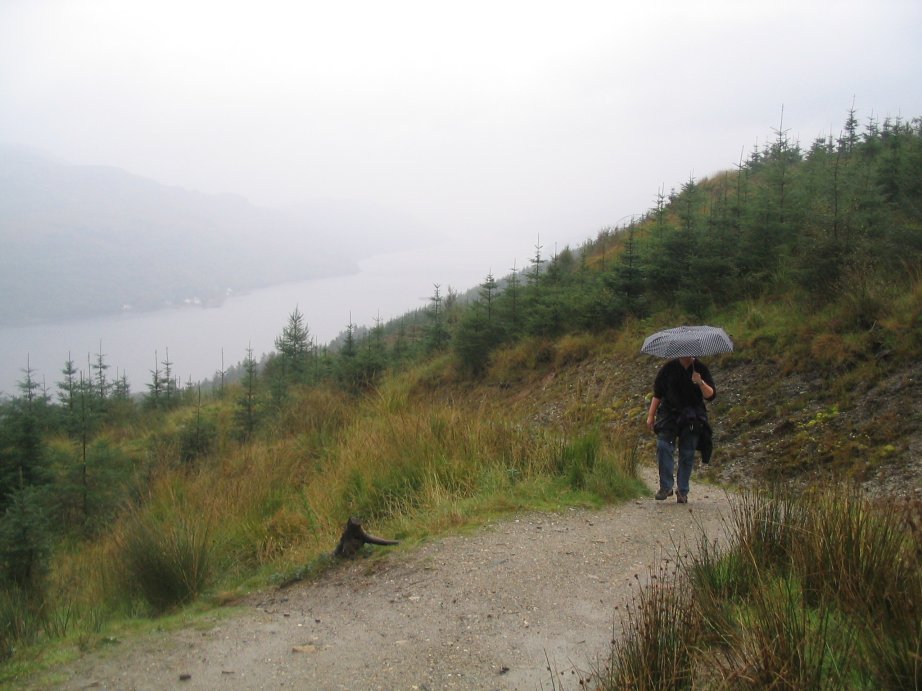
We were hiking near Loch Long
and Loch Long - a bit wet but both were very enjoyable!
By the way, the song Bonnie Banks O' Loch Lomond
(You Take the High Road) is about this area!Here's the first verse:
By yon bonnie banks,
And by yon bonnie braes,
Where the sun shines bright on Loch Lomond,
Where me and my true love
Were ever want to gae,
On the bonnie, bonnie banks of Loch Lomond.

|
|

|

|
|

|

|

|

|
Okay, here it is, months later, and I can't remember if this photo is of Loch Lomond or Loch Long! I'll research it further but would appreciate anyone's help if they can recognize the shoreline! |
Driving and Washing Clothes:
Yes, your humble webmaster did help (a little bit!) with the laundry!
|

|

|
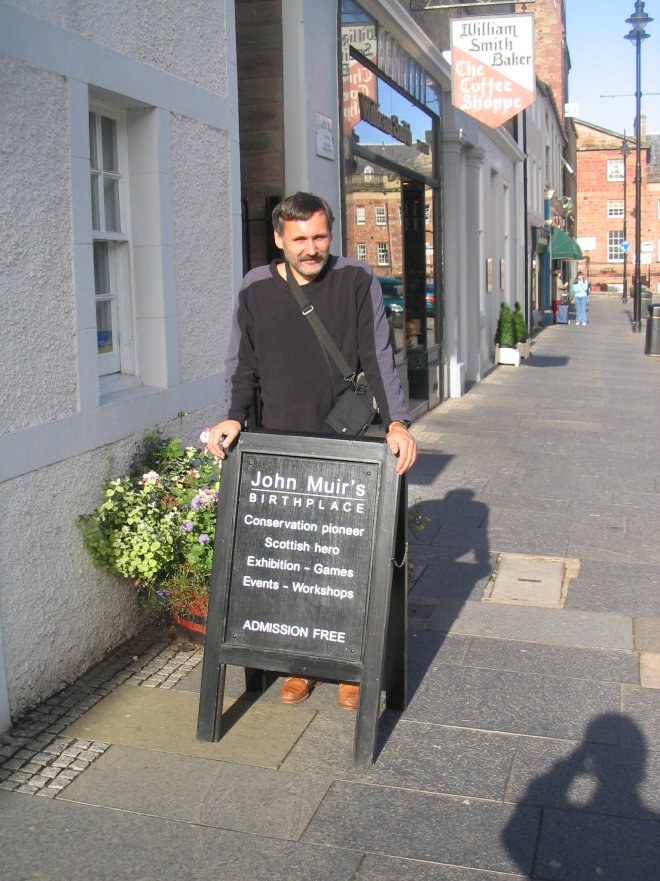
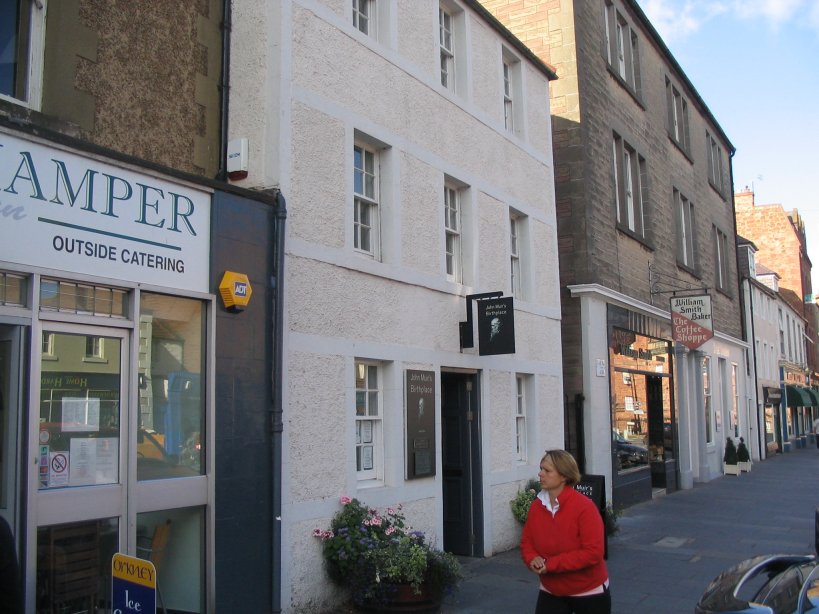
John Muir's birthplace (Dunbar):
John Muir was the founder of America's Sierra Club and directly
responsible for saving Yosemite Valley and a lot of Wilderness!

|

|

|
|

|
|

|

|
|
|

|

|

|

|

|
|
|
Click Here for pictures of the Torness Nuclear power plant we visited in southwest Scotland (10 pix on the bottom of the page)... |
St. Abb's Head Lighthouse
St Abb's Head Lighthouse is a navigational aid located on a rocky promontory in Berwickshire, Scotland, near the village of St Abbs. Designed by engineers David and Thomas Stevenson, the lighthouse was established in 1862 following the sinking of the steamship Martello in 1857.
The structure is unique for having no tower; instead, it consists of a 9-metre-high service building crowned by a lantern room, situated 68 metres above sea level on the cliff edge. The light was originally oil-burning, converted to incandescent in 1906, electrified in 1966, and fully automated in 1993. It produces a flashing white light visible for up to 26 nautical miles.
I also have some additional photos of the St Abb's and other lighthouses on my Maritime page...
Links:
|
|
 Back to Roger J. Wendell's Home Page...

Abbey |
About |
Blog |
Contacting
Me |
Copyright |
Disclaimer |
Donate |
Guest
Book |
Home |
Links |
Site
Index |
Solutions |
Terms,
Conditions
and
Fair
Use |
What's
Changed
or
New?
Copyright
© 1955 -